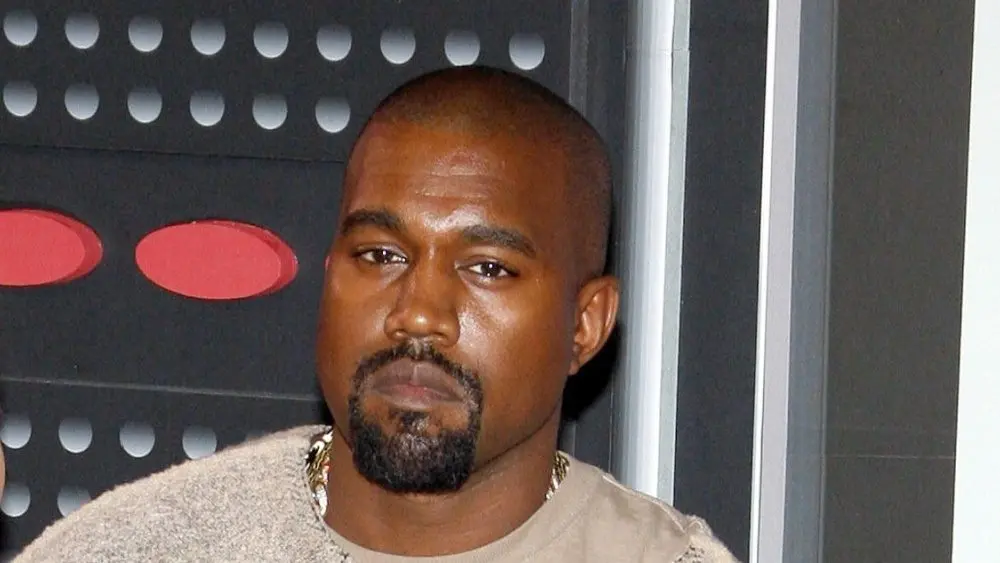
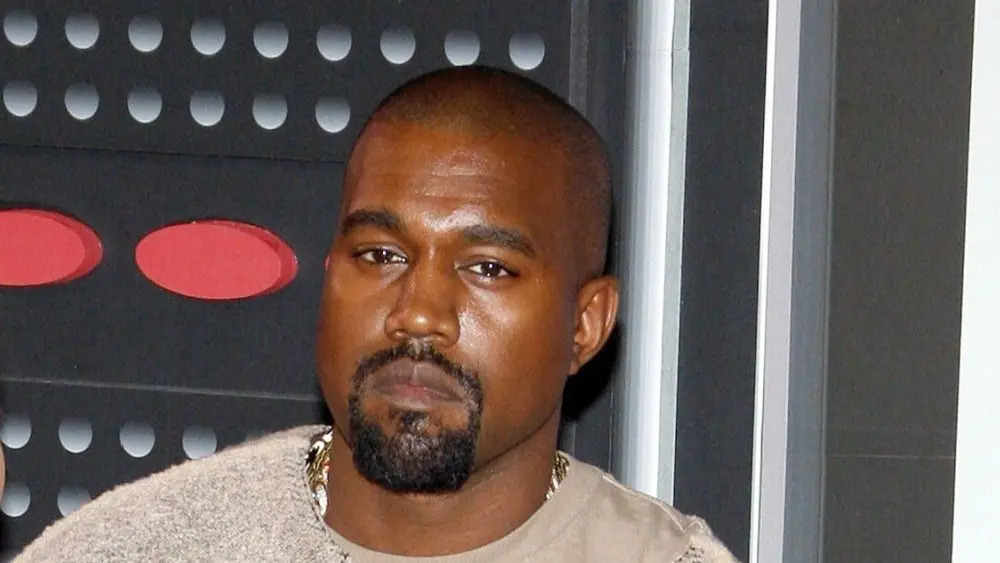
Ye, the artist formerly known as Kanye West, has issued a sweeping public apology in a full-page advertisement in The Wall Street Journal, expressing deep regret for the antisemitic remarks and erratic behavior that defined his highly controversial actions in 2025.
The open letter, titled “To Those I’ve Hurt,” was funded by his Yeezy brand and published Monday. In it, the 48-year-old rapper addresses both the Jewish and Black communities, offering an explanation rooted in long-standing mental health struggles while taking responsibility for the harm he caused.
Ye traced the origins of his condition back to a 2002 car crash that left him with a broken jaw and undetected brain trauma. He said the injury went unnoticed for years, ultimately contributing to a bipolar type-1 diagnosis in 2023. According to Ye, ignoring that diagnosis led to a prolonged mental health crisis marked by paranoia, impulsivity, and psychosis. “I lost touch with reality,” he wrote. “Things got worse the longer I ignored the problem. I said and did things I deeply regret. Some of the people I love the most, I treated the worst.”
During a four-month manic episode in 2025, Ye admitted he spiraled into destructive behavior, including selling merchandise bearing swastikas and posting antisemitic messages online, at one point even declaring himself a Nazi. The comments drew widespread condemnation, including sharp criticism from figures like Piers Morgan and actor David Schwimmer, who described the rhetoric as “sick hate speech.” Ye later deactivated his X account amid the backlash. His repeated statements and actions led major brands and agencies — including Adidas, Balenciaga, and CAA — to sever ties, costing him lucrative partnerships and further isolating him professionally.
Reflecting on that period, Ye said his mental illness distorted his thinking, creating a false sense of clarity and invincibility. He explained that the condition made him dismiss the need for help and reject medical intervention, worsening his decline. In one of the letter’s most candid admissions, Ye wrote that his fractured mental state drove him toward extremist symbolism. He acknowledged gravitating toward the swastika as a form of self-destruction and said many of his choices during that time remain difficult to fully recall. “I regret and am deeply mortified by my actions in that state, and am committed to accountability, treatment, and meaningful change. It does not excuse what I did though. I am not a Nazi or an antisemite. I love Jewish people.” He also delivered a direct apology to the Black community, writing: “To the black community – which held me down through all of the highs and lows and the darkest of times. The black community is, unquestionably, the foundation of who I am. I am so sorry to have let you down. I love us.”
Ye revealed that his wife, Bianca Censori, urged him to seek help after he reached what he described as “rock bottom.” He said consistent treatment — including medication, therapy, exercise, and lifestyle changes — has helped stabilize his mental health, giving him renewed clarity and focus. “As I find my new baseline and new center through an effective regime of medication, therapy, exercise, and clean living, I have newfound, much-needed clarity. I am pouring my energy into positive, meaningful art,” he wrote.
The letter ends with a measured appeal for patience rather than absolution: “I’m not asking for sympathy, or a free pass, though I aspire to earn your forgiveness.”
Editorial credit: Tinseltown / Shutterstock.com